
Specialist Interviews
Conversations with practitioners who work in stress relief and energy yoga — not motivational talks, but actual accounts of what happens in a group session and why it tends to work.

What Energy Yoga Actually Means for Someone Starting Out
A plain explanation of energy yoga terminology for beginners, with a focus on what these words mean in practice.
Read interview
Pranayama: What the Word Means and Why Beginners Find It Confusing
An honest look at what pranayama means, why the terminology trips up new students, and what it feels like in practice.
Read interview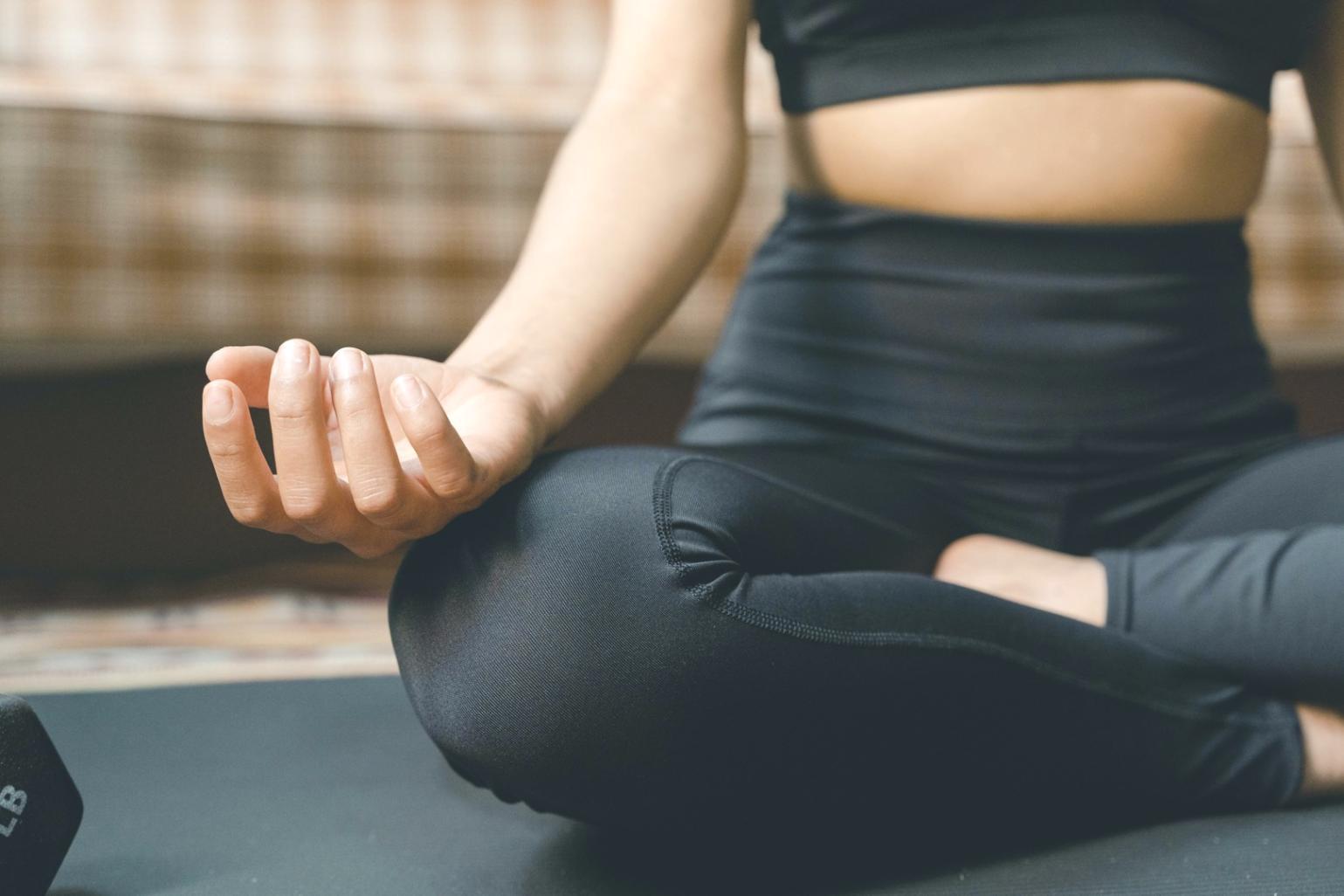
Chakras in Stress Relief Yoga: A Plain Description for New Students
What chakras are, why they appear in energy yoga classes, and how to engage with the concept without getting lost in theory.
Read interview
Grounding in Energy Yoga: What It Describes and How It Feels
The word grounding comes up often in stress relief yoga. Here is what it actually refers to and how beginners can recognize it.
Read interview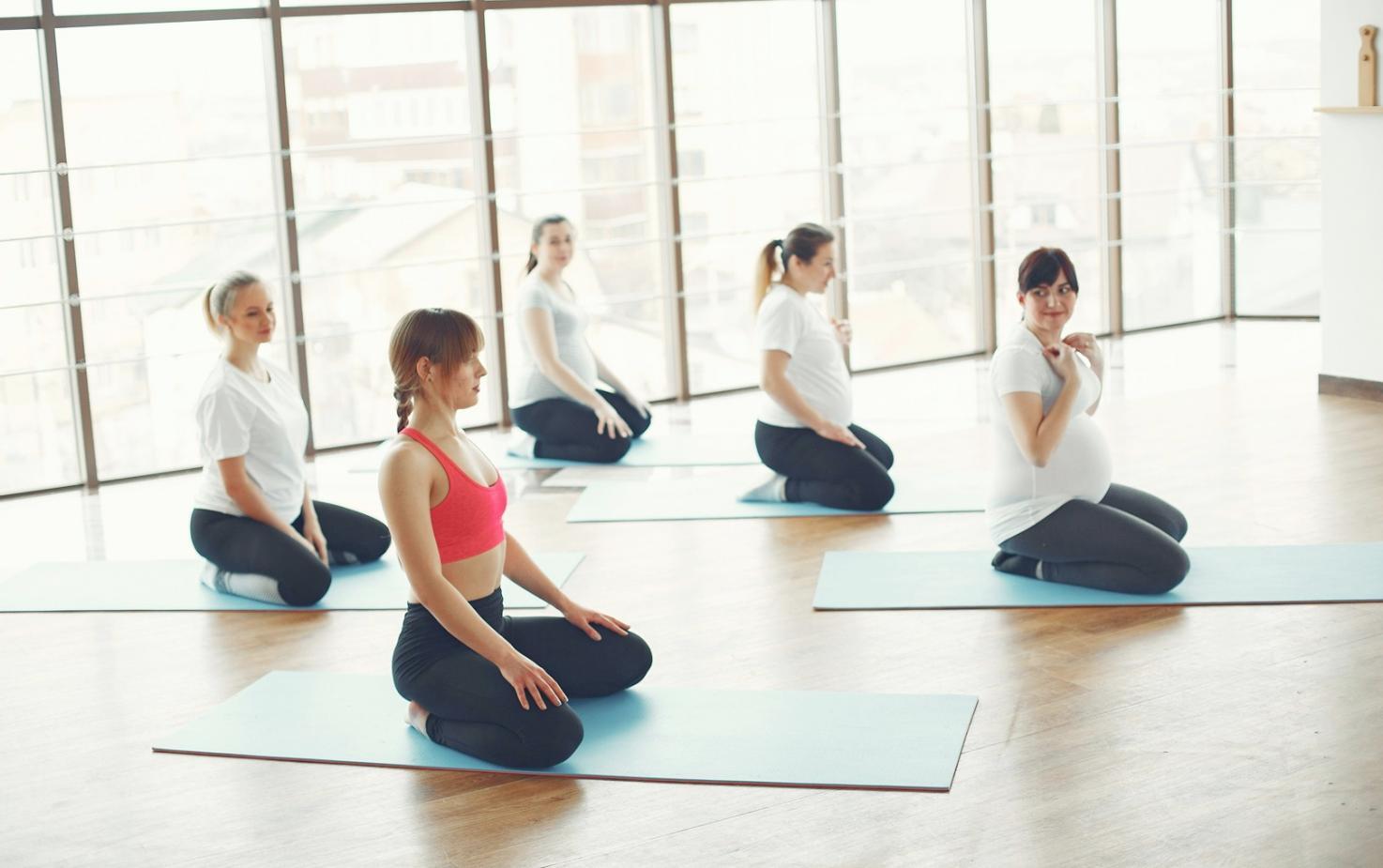
Savasana: The Pose Most Beginners Skip and What They Lose
Why savasana exists in stress relief yoga, what happens during it, and why new students often underestimate it.
Read interviewWhat practitioners actually say
These interviews are not curated success stories. They are working accounts from facilitators who run group yoga sessions focused on nervous system regulation and sustainable energy management.
Group format changes the dynamic in ways a solo practice rarely does. Participants tend to regulate faster when others around them are doing the same — it is a documented effect, not a marketing claim.
- Breath synchronization in groups
- Facilitated tension release
- Collective pacing of sessions
- Peer accountability structures
- Shared language for fatigue
- Gradual somatic awareness
Recent activity
Sessions in practice
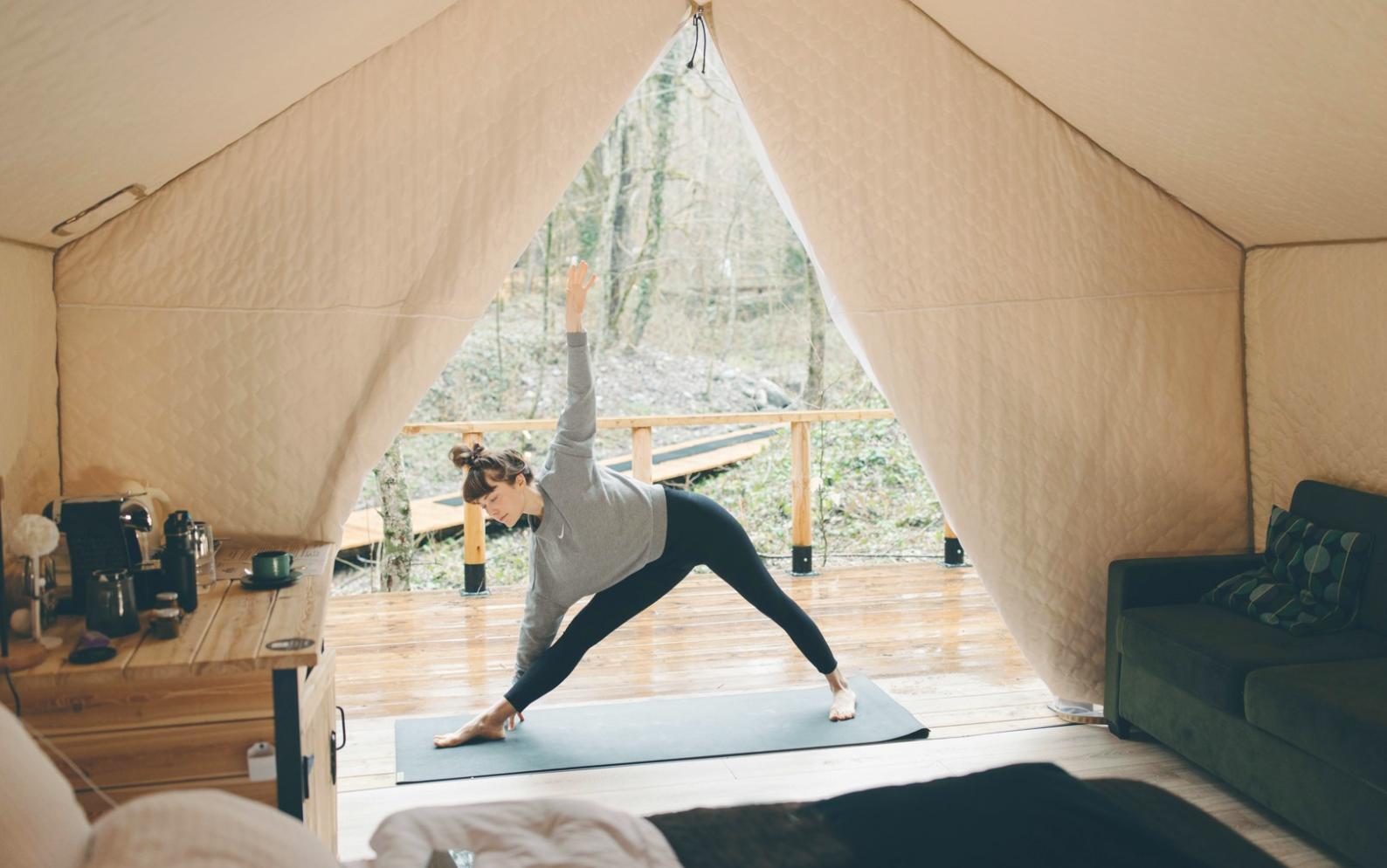
What a group yoga session for stress relief looks like depends heavily on the facilitator's approach and the composition of the group — there is no single template that fits all situations.
Most sessions at redacpv run between 60 and 90 minutes, structured around a gradual arc: grounding, active movement, and a longer wind-down than most people expect. The wind-down is where most of the nervous system work actually happens.
Participants from across Egypt join remotely or in person. The format remains consistent regardless of location — same structure, same facilitation standards, same expectation that results take repeated sessions to accumulate.
Meet our partners