
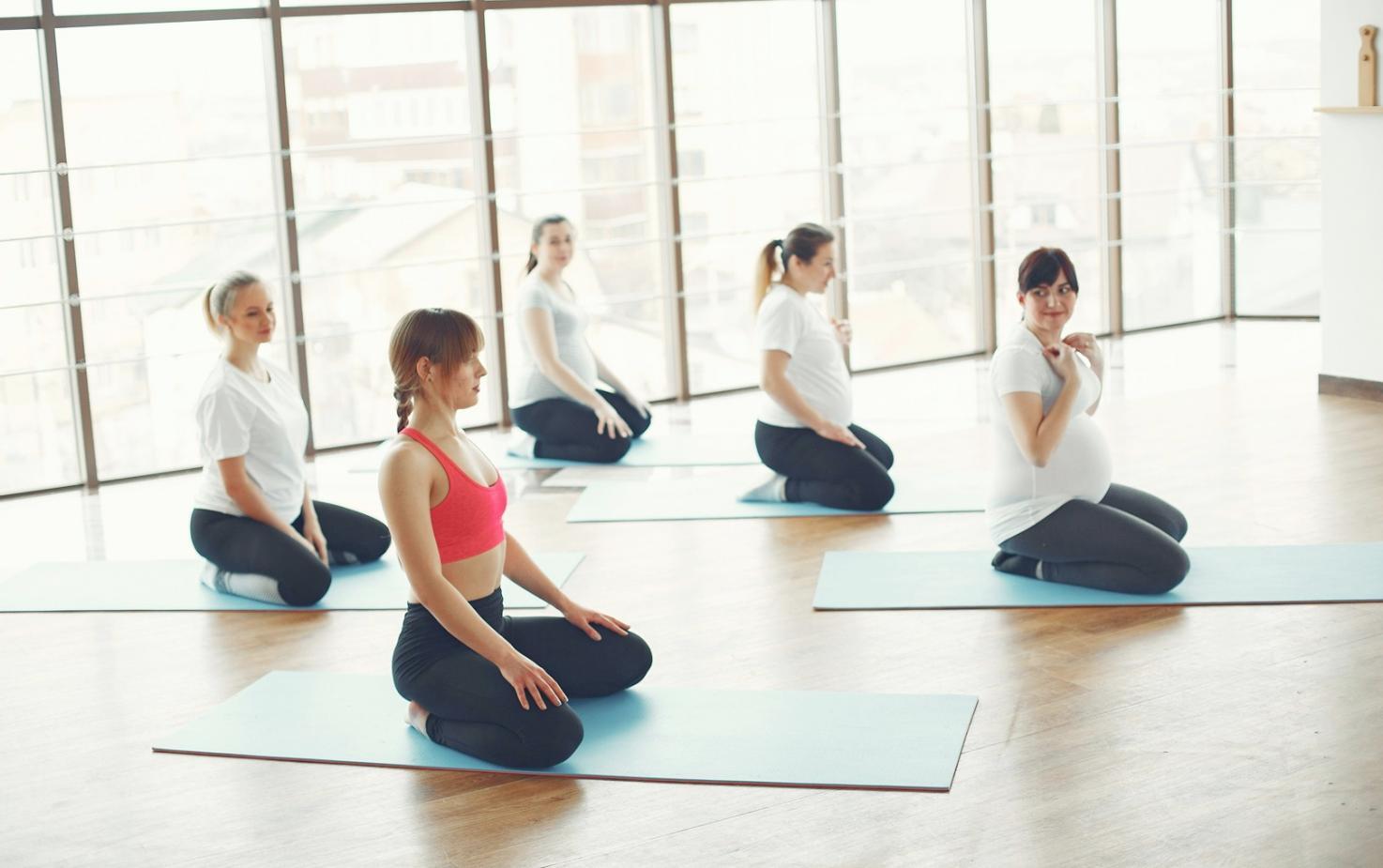
The following interview explores practical approaches to stress relief through energy yoga — a discipline that sits at the intersection of breath control, movement, and deliberate rest.
Savasana, sometimes called corpse pose, is the final resting position in most yoga sessions. You lie flat on your back, arms slightly away from the body, and stay still for several minutes. In energy yoga, this pose is described as the time when the body integrates the work done during the session. For beginners, it often feels like an awkward pause before leaving. Many people skip it entirely.
A student named Mirette described leaving class early for the first three weeks because savasana felt unproductive. After staying for it once, she noticed her stress symptoms, tight shoulders and a racing mind, were noticeably reduced compared to sessions where she left early. The difference was not dramatic, but it was consistent enough to change her habit.
What happens physiologically during savasana is that the nervous system has time to shift out of the heightened state that even gentle movement can create. Heart rate and cortisol levels drop more completely when you allow this transition rather than cutting it short. For stress relief specifically, this is where a significant part of the benefit lands. The poses create the conditions; the stillness at the end is when the body actually uses them.