
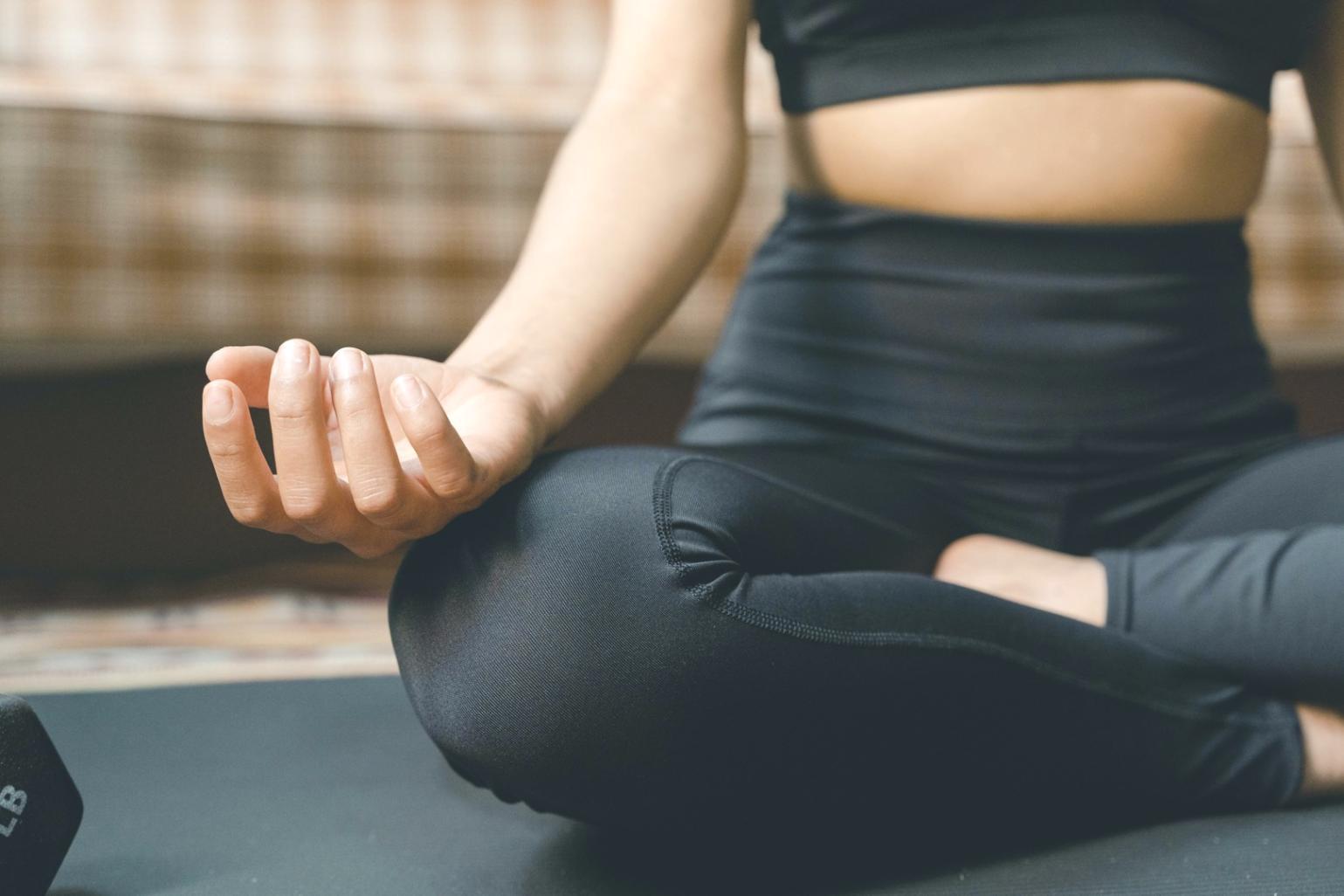
The following interview explores practical approaches to stress relief through energy yoga — a discipline that sits at the intersection of breath control, movement, and deliberate rest.
Chakra is a Sanskrit word meaning wheel or circle. In yoga traditions, chakras refer to points in the body associated with specific functions or feelings. There are seven commonly referenced, running from the base of the spine to the top of the head. In a stress relief class, you will most often hear about the heart center and the throat, which are linked to emotional tension and communication. Whether you view these as literal energy points or as a way to direct attention to a body region, the effect of focusing there during movement is real and noticeable.
A student named Yousra described her first chakra-focused class as overwhelming. The teacher mentioned colors, sounds, and emotional states for each point, and none of it connected to what she was feeling in her body. Her approach afterward was to ignore the layered symbolism and treat each chakra reference as a location cue, like a physical therapist pointing to a muscle group.
For stress relief purposes, the most useful one to know is the solar plexus, located around the upper abdomen. Poses that open this area, like gentle backbends, often produce a noticeable release of held tension. That physical result is a good starting point before exploring the broader terminology.