
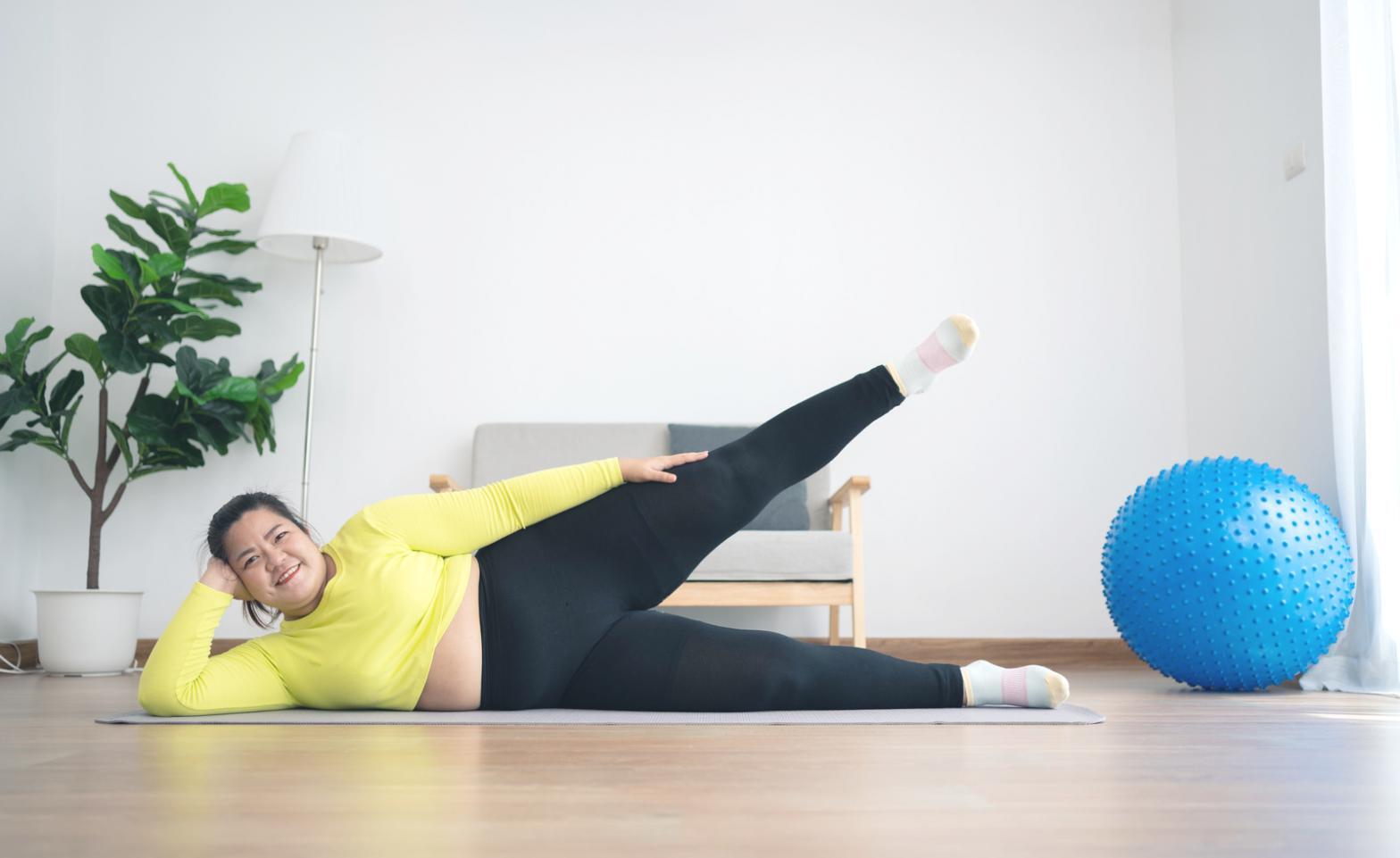
The following interview explores practical approaches to stress relief through energy yoga — a discipline that sits at the intersection of breath control, movement, and deliberate rest.
Pranayama is a Sanskrit word that breaks into two parts: prana, meaning breath or vitality, and ayama, meaning to extend or regulate. In practical terms, it refers to breathing exercises done with intention. The confusion for most beginners is that instructors sometimes describe it as controlling your life force, which sounds abstract. A more grounded way to think about it: you are changing the rhythm and depth of your breath on purpose, and that change has measurable effects on how calm or alert you feel.
One common early mistake is trying to hold the breath too long too soon. A student named Ines described feeling dizzy during her first pranayama session because she pushed the breath retention beyond what was comfortable. The lesson is straightforward: the discomfort is a signal, not a challenge to push through. Shorter holds with full exhales work better for stress relief than forcing longer ones.
For stress relief specifically, the exhale matters more than the inhale. A longer exhale, say 6 counts out versus 4 counts in, activates the parasympathetic nervous system. This is the part of the body that slows the heart rate and reduces the physical symptoms of stress. That is the mechanism behind the practice, no philosophy required.